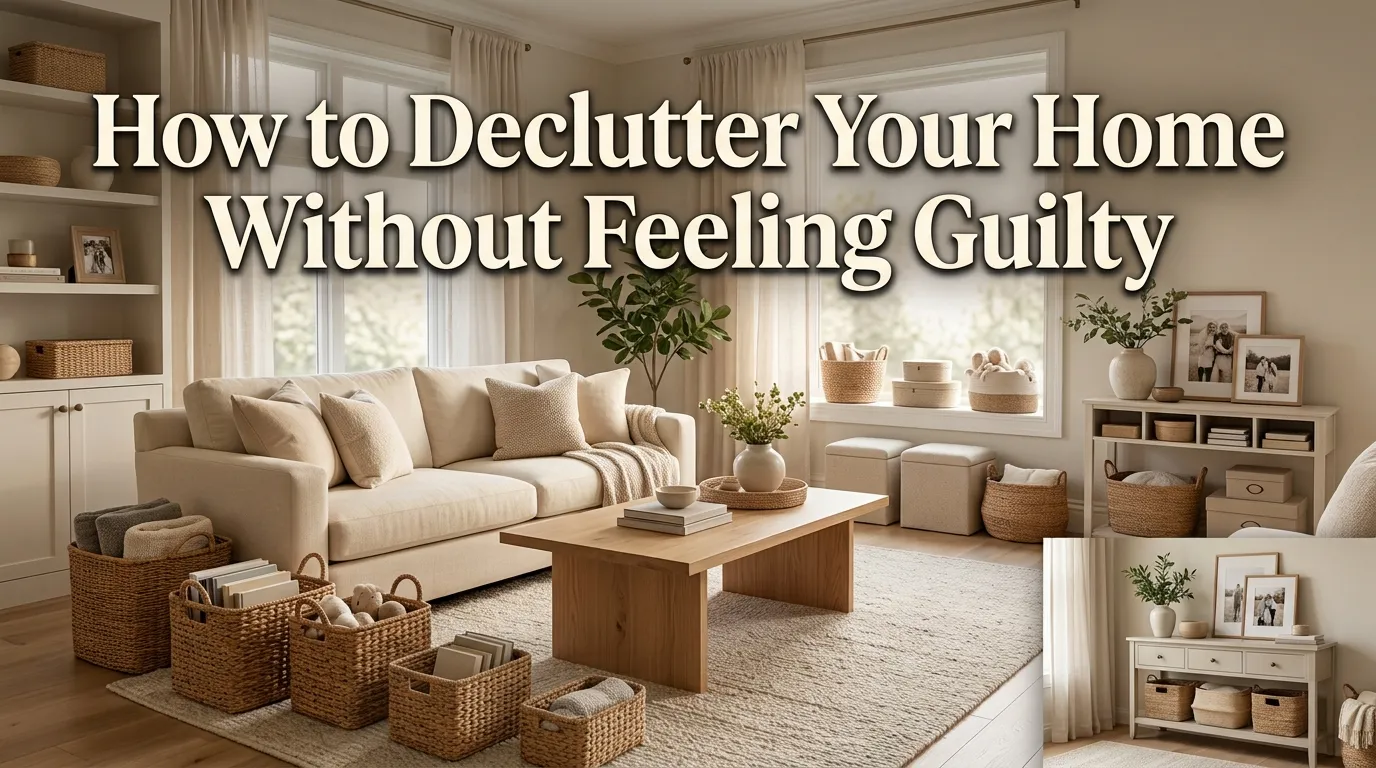
How to Declutter Your Home Without Feeling Guilty
Decluttering sounds simple until you start picking up the things you’ve kept for years.
A drawer full of old paperwork. Clothes you haven’t worn in ages. Gifts you don’t really use. Kitchen gadgets you bought for a specific occasion. Sentimental items that bring complicated emotions.
That’s when decluttering can become surprisingly difficult.
The goal isn’t to create a perfectly minimalist home where everything you own fits into a few boxes. A comfortable home should contain things you genuinely use, enjoy, or value.
In my experience, the easiest way to declutter without feeling guilty is to stop treating every item as a moral decision.
You don’t have to decide whether something is “good” or “bad.”
Instead, ask whether it serves your life now.
Decluttering becomes much easier when you work in small areas, give yourself permission to keep meaningful things, and create a realistic plan rather than trying to empty the entire house in one weekend.
Here are 10 practical ways to declutter your home while letting go of unnecessary guilt.
Table of Contents
- Start Small
- Question the Guilt
- Use the One-Year Rule
- Separate Sentimental Items
- Create Keep Zones
- Handle Gifts Differently
- Avoid Replacement Shopping
- Set a Timer
- Give Items a Purpose
- Finish With Maintenance
1. Start Small
Quick Benefits
- Feels manageable
- Reduces overwhelm
- Creates quick wins
- Builds momentum
- Makes decisions easier
Why It Works
Trying to declutter an entire home at once can make the process feel impossible.
A small drawer or shelf is much easier to handle.
Completing one manageable area gives you visible progress without requiring an entire day.
How To Style It
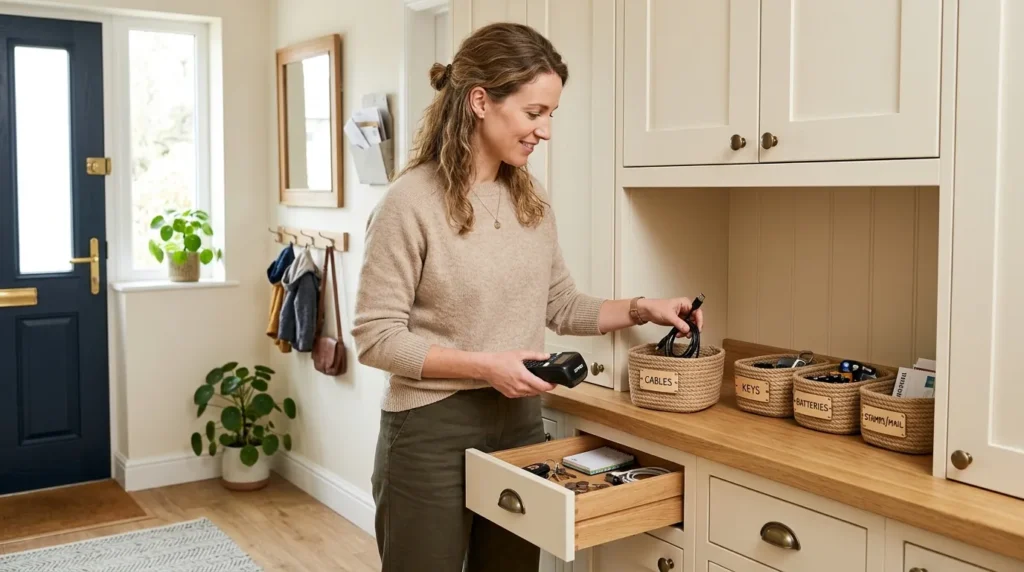
Choose one small target.
Try a bathroom drawer, bedside table, kitchen cabinet, or entryway basket.
Remove everything.
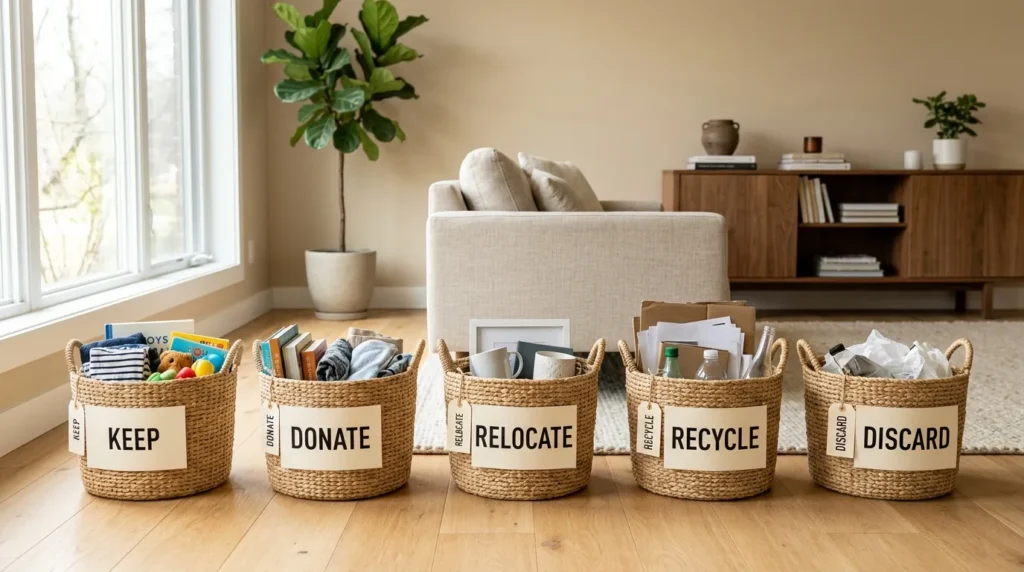
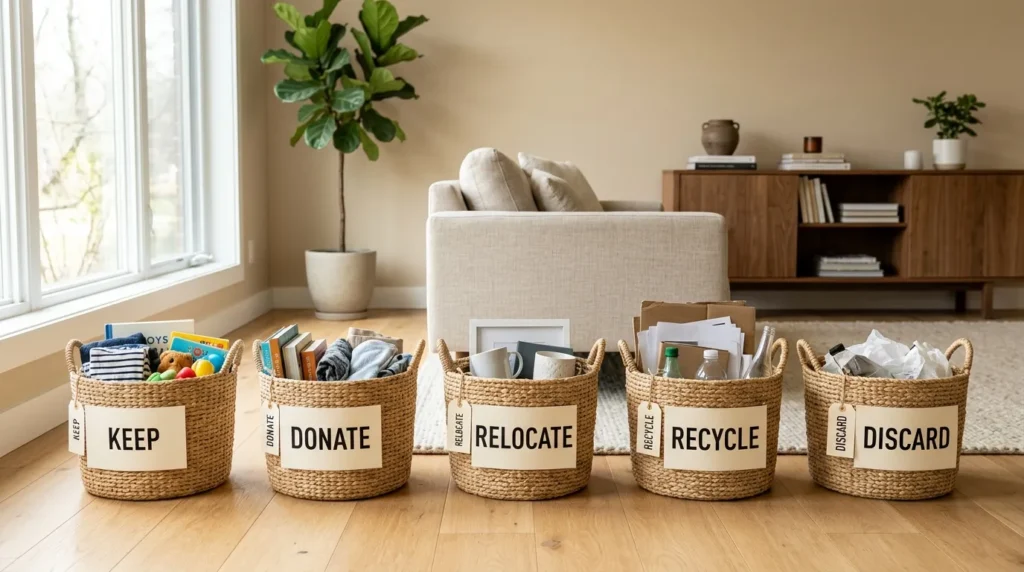
Sort it into simple categories such as keep, relocate, donate, recycle, or discard according to local disposal guidelines.
Finish that area before moving somewhere else.
2. Question the Guilt
Quick Benefits
- Makes decisions easier
- Reduces emotional pressure
- Encourages intentional ownership
- Helps separate objects from memories
- Creates a healthier mindset
Why It Works
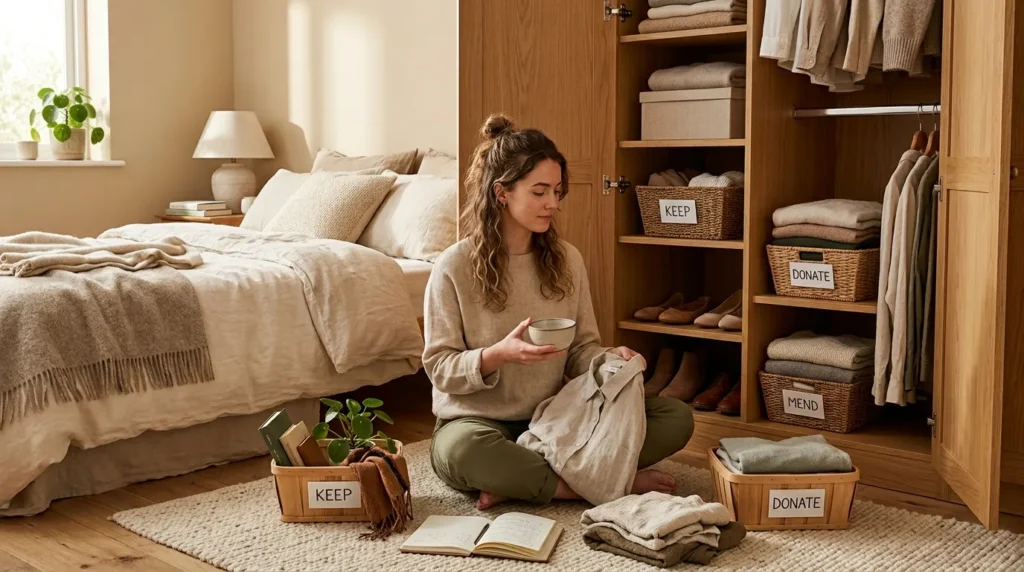
Guilt often makes people keep things they don’t actually want.
You may feel guilty because someone gave you the item, because it was expensive, or because you believe you “should” use it.
But keeping an unwanted object doesn’t necessarily honor the person, money, or memory connected to it.
How To Style It
Ask:
Would I choose this item again today?
Does it make my life better?
Am I keeping it because I want it or because I feel obligated?
These questions can create enough emotional distance to make a practical decision.
3. Use the One-Year Rule
Quick Benefits
- Simplifies decisions
- Works well for everyday items
- Reduces closet clutter
- Creates a clear guideline
- Encourages realistic ownership
Why It Works
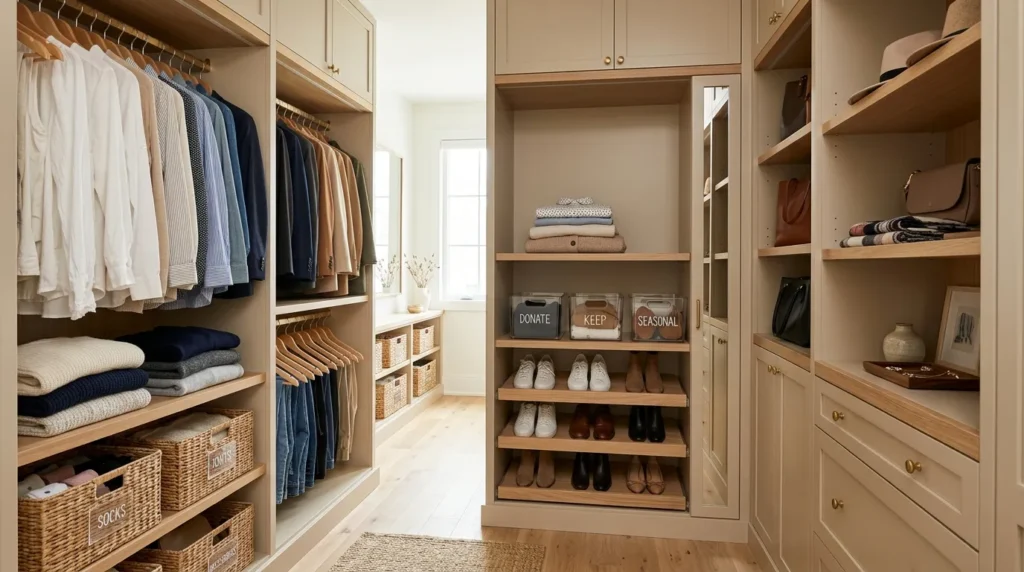
If you haven’t used something during the past year, that’s useful information.
It doesn’t automatically mean you need to discard it.
Seasonal items, emergency supplies, important documents, and genuinely occasional-use possessions may still deserve a place.
How To Style It
Use the one-year rule as a prompt, not an absolute law.
Ask when you last used the item and whether you realistically expect to use it again.
If you can’t remember the last time you used it and don’t have a meaningful reason to keep it, consider donating, selling, recycling, or responsibly discarding it.
4. Separate Sentimental Items
Quick Benefits
- Reduces emotional overwhelm
- Protects meaningful memories
- Makes everyday decluttering easier
- Creates boundaries
- Helps preserve what matters
Why It Works
Sentimental belongings are different from ordinary clutter.
Trying to make emotional decisions while decluttering your kitchen or closet can slow the entire process.
Separating sentimental items gives you permission to handle them later.
How To Style It
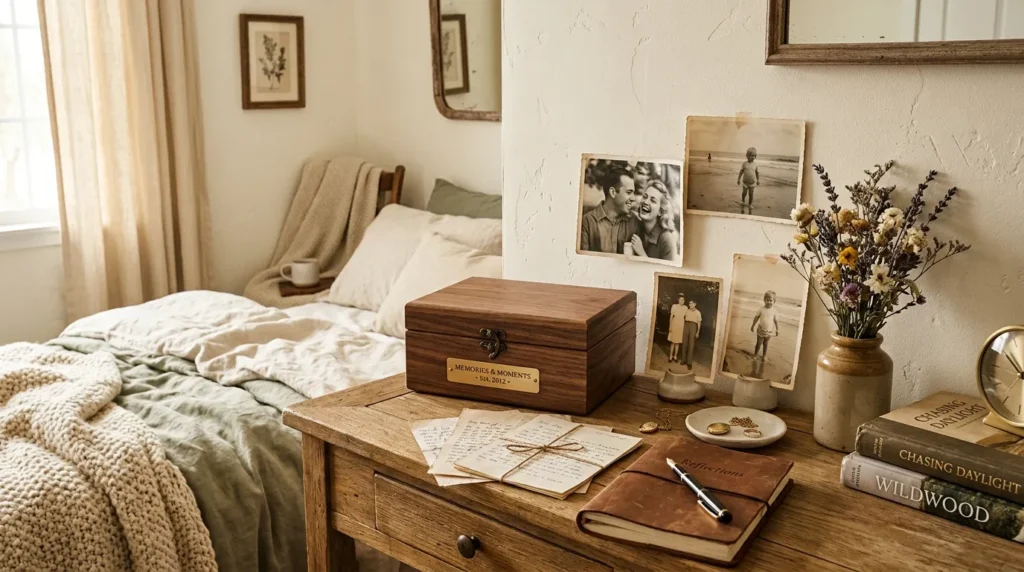
Create a clearly labeled sentimental box or designated storage area.
Don’t feel pressured to sort every memory immediately.
When you eventually revisit the collection, choose the items that genuinely represent important memories.
5. Create Keep Zones
Quick Benefits
- Makes sorting faster
- Prevents piles from spreading
- Clarifies decisions
- Keeps the process organized
- Makes cleanup easier
Why It Works
Decluttering can become chaotic when everything ends up in one giant pile.
Defined zones give each item a destination.
How To Style It
Create temporary categories:
Keep
Relocate
Donate
Sell
Recycle
Discard
Use boxes or bags where appropriate.
Remove donation and discard items from the room when you’re finished so they don’t migrate back into the house.
6. Handle Gifts Differently
Quick Benefits
- Reduces guilt
- Makes decisions more practical
- Prevents unused items
- Creates healthier boundaries
- Simplifies storage
Why It Works
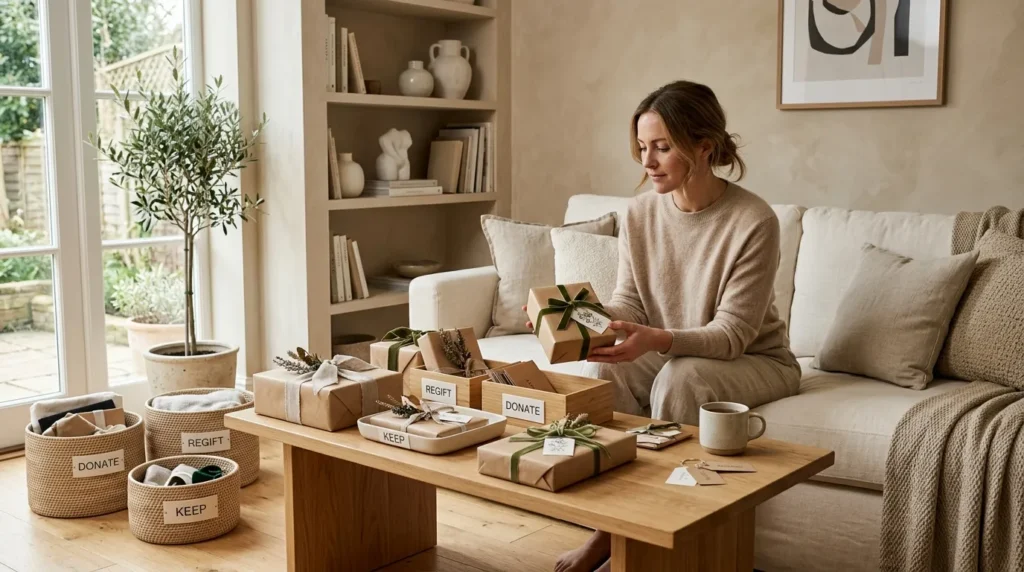
A gift represents a gesture, not a lifelong obligation to store or use an object.
You can appreciate why someone chose something for you without needing to keep it forever.
How To Style It
If you genuinely use and enjoy the gift, keep it.
If you don’t, ask whether the item is occupying space because you love it or because you feel guilty.
For meaningful gifts, sometimes taking a photograph can preserve the memory even when the physical object no longer serves a purpose.
7. Avoid Replacement Shopping
Quick Benefits
- Prevents new clutter
- Saves money
- Makes decluttering more effective
- Encourages thoughtful purchases
- Helps identify real needs
Why It Works
It’s easy to declutter one drawer and immediately buy several new organizers.
But containers don’t solve every clutter problem.
Sometimes the best organizing system is simply owning fewer things.
How To Style It
Declutter first.
Measure the space.
Identify the actual problem.
Then purchase an organizer only if it solves a specific storage need.
Choose flexible products that can adapt if your belongings change.
8. Set a Timer
Quick Benefits
- Reduces overwhelm
- Creates momentum
- Makes decluttering easier to start
- Prevents decision fatigue
- Fits busy schedules
Why It Works
You don’t need several uninterrupted hours to make progress.
A short, focused session can be surprisingly productive.
How To Style It
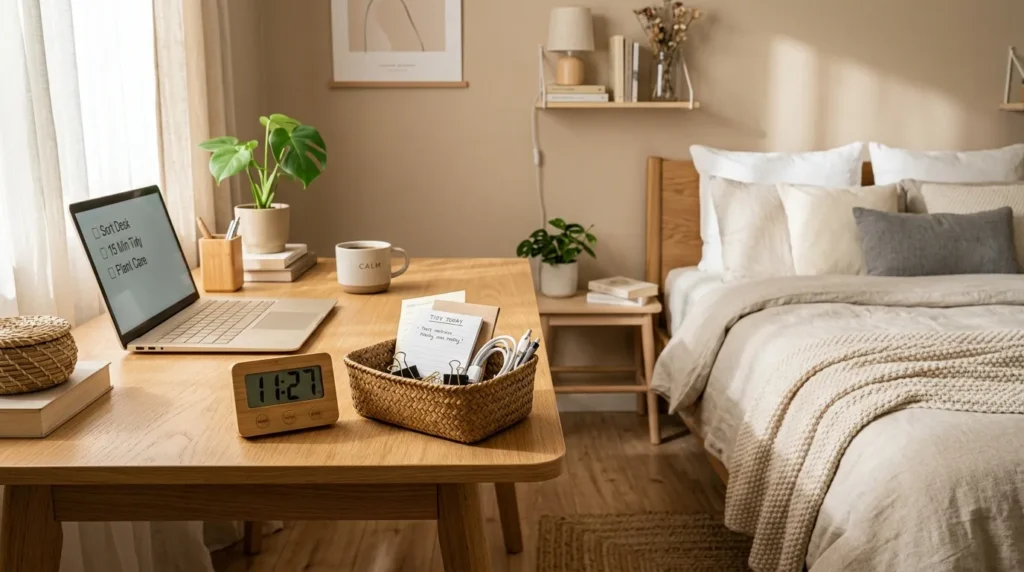
Set a timer for 10–20 minutes.
Choose one small area.
Work continuously until the timer ends.
Stop when the session is finished or continue only if you genuinely have the energy.
Consistency matters more than marathon sessions.
9. Give Items a Purpose
Quick Benefits
- Clarifies decisions
- Reduces duplicate belongings
- Improves organization
- Creates intentional spaces
- Makes future decluttering easier
Why It Works
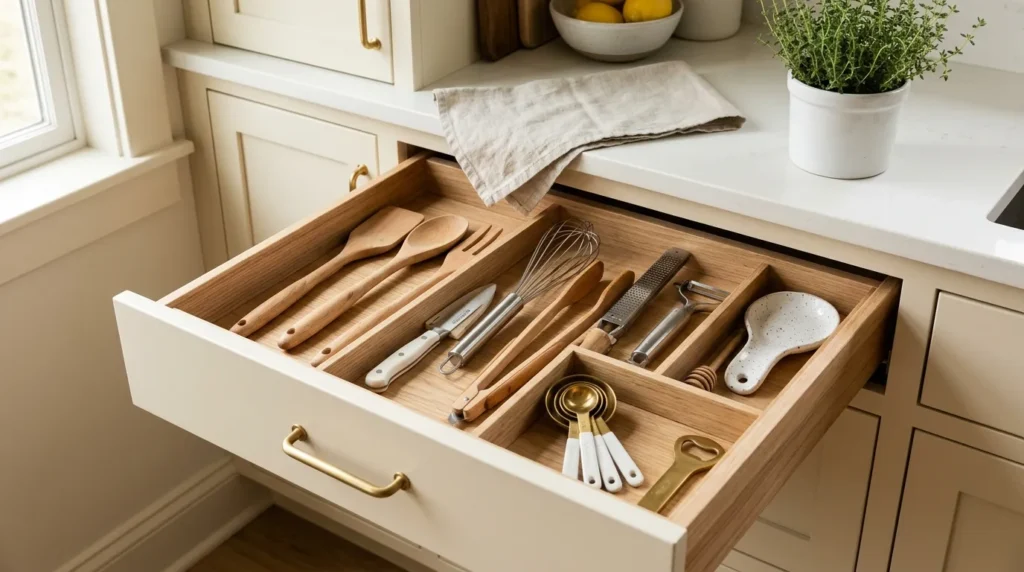
When every item has a logical purpose and home, clutter becomes easier to recognize.
If you have five versions of something but regularly use only one, that’s useful information.
How To Style It
Ask:
What is this for?
Where should it live?
How often do I use it?
Do I already own something that performs the same function?
If you can’t identify a meaningful purpose, reconsider whether the item deserves your limited storage space.
10. Finish With Maintenance
Quick Benefits
- Prevents clutter buildup
- Protects your progress
- Makes cleaning easier
- Reduces future overwhelm
- Creates sustainable habits
Why It Works
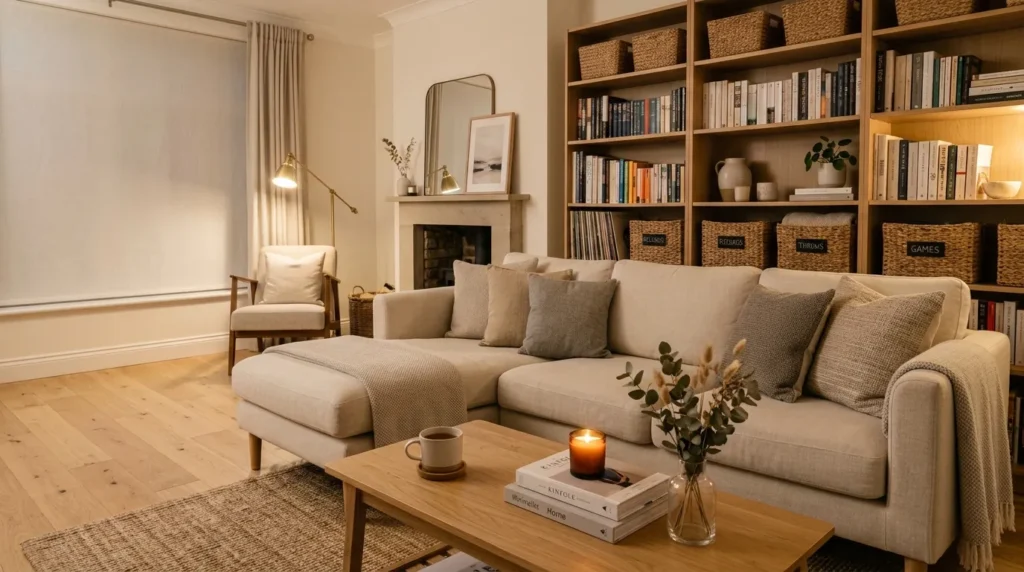
Decluttering isn’t a one-time event.
Homes naturally accumulate things.
A small maintenance routine keeps the problem from becoming overwhelming again.
How To Style It
At the end of each day, return commonly used items to their homes.
Once a week, choose one small area for a quick reset.
Before bringing something new into the home, consider whether you have somewhere appropriate to store it.
What To Do With Items You’re Removing
Once you’ve decided something no longer belongs in your home, give it a destination.
Donate
Good-condition usable items can potentially benefit someone else.
Sell
Higher-value items may be worth listing if the time and effort make sense.
Recycle
Use appropriate local recycling programs for eligible materials.
Repair or Repurpose
Some items may have useful life left with a simple repair.
Dispose Responsibly
Follow local guidelines for anything that cannot reasonably be donated or recycled.
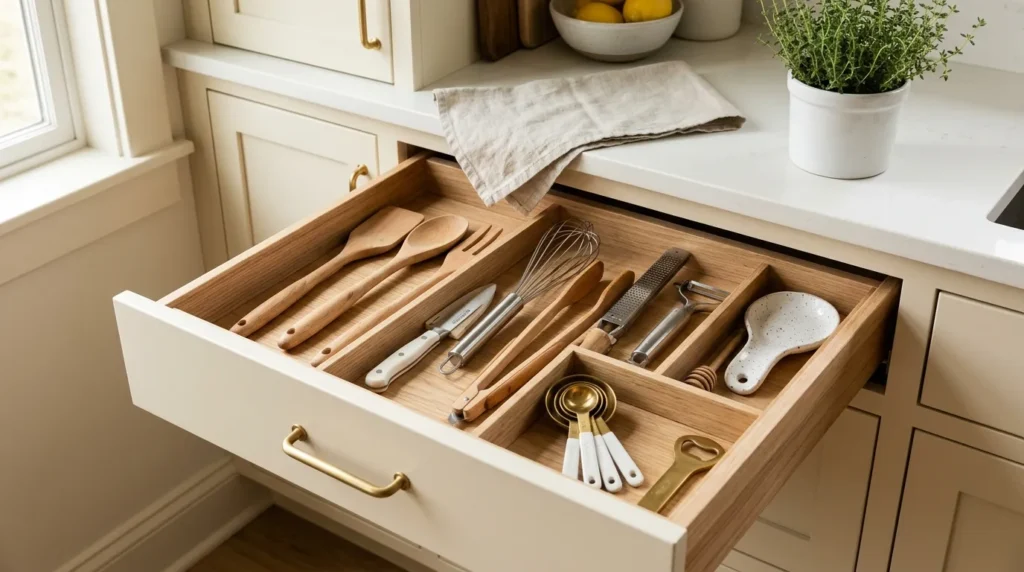
The important part is to avoid creating a permanent “maybe” pile.
How To Declutter Sentimental Items
Sentimental clutter deserves patience.
Instead of asking:
“Can I get rid of this?”
try:
“What part of this memory matters most?”
Sometimes it’s the object.
Sometimes it’s the person.
Sometimes it’s the story.
Sometimes a photograph, written note, or small keepsake can preserve the memory without keeping an entire box of objects.
And there’s no requirement to declutter sentimental items on the same schedule as ordinary household clutter.
What Not To Declutter Too Quickly
Some belongings deserve additional consideration.
These may include:
- Important legal documents
- Financial records you are required to retain
- Emergency supplies
- Items needed for accessibility
- Essential tools
- Seasonal equipment
- Irreplaceable photographs
- Important family records
- Items with genuine future use
When you’re uncertain about documents or regulated materials, check the relevant official guidance before disposing of them.
Common Decluttering Mistakes
Trying to Do Everything at Once
Small progress is still progress.
Decluttering for Someone Else
Your home should work for the people who live there.
Keeping a Huge Maybe Pile
A temporary decision box can be useful, but it needs a review date.
Buying Organizers Too Early
You may discover that you don’t need them after removing excess items.
Throwing Away Sentimental Items in a Rush
Give yourself time for emotional belongings.
Expecting Perfection
A lived-in home will never stay perfectly clutter-free.
FAQ
How do I declutter without feeling guilty?
Separate the emotional meaning of an item from the physical object. Ask whether you genuinely use, love, or need it today.
What is the one-year decluttering rule?
It is a guideline suggesting that items unused for roughly a year deserve reconsideration. It should not be applied blindly to seasonal, emergency, sentimental, or genuinely occasional-use items.
Should I throw away gifts I don’t use?
You can appreciate the thought behind a gift without being required to keep the physical object forever.
How do I declutter sentimental belongings?
Set them aside and handle them separately from everyday clutter. Take your time and keep the pieces that genuinely carry meaning.
How long should a decluttering session last?
Even 10–20 minutes can make meaningful progress. Short, consistent sessions are often easier to maintain than occasional marathon cleanouts.
Should I buy storage containers before decluttering?
Usually, declutter first. Once you know what you’re keeping, you can identify whether additional storage is actually necessary.
How do I keep my home from becoming cluttered again?
Give belongings designated homes, regularly reset high-traffic areas, and pause before bringing new items into the house.
Conclusion
Decluttering doesn’t have to mean becoming a minimalist or getting rid of everything that isn’t absolutely necessary.
A comfortable home should reflect your real life.
The goal is to remove the things that create unnecessary visual, physical, or mental noise while protecting the belongings that genuinely matter.
Start with one small area.
Question guilt.
Use the one-year rule as a helpful prompt.
Separate sentimental belongings.
Create clear destinations for unwanted items.
And maintain your progress with small routines.
Most importantly, remember that letting go of an object doesn’t erase the memory, relationship, or experience connected to it.
Your home should have room for the life you’re living now—not just the life you once lived.